
Small Kitchen Renovation Ideas: Maximizing Space in Philadelphia Row Houses
Space-saving cabinet and layout solutions for narrow Philly kitchens, Jersey condos, and compact Bethesda apartments
Philadelphia row houses present unique kitchen design challenges. With widths often limited to 8-10 feet and galley-style layouts dominating Center City, Queen Village, and Fishtown neighborhoods, maximizing every inch becomes essential. For homeowners in these historic properties—and similar compact spaces in Jersey City condos or Bethesda apartments—strategic cabinet selection and layout optimization can transform cramped cooking quarters into functional, beautiful kitchens.
At NEARME, we've renovated hundreds of narrow kitchens across the tri-state area. Here's how to make your small kitchen feel spacious without sacrificing the architectural character that makes Philadelphia row houses so desirable.
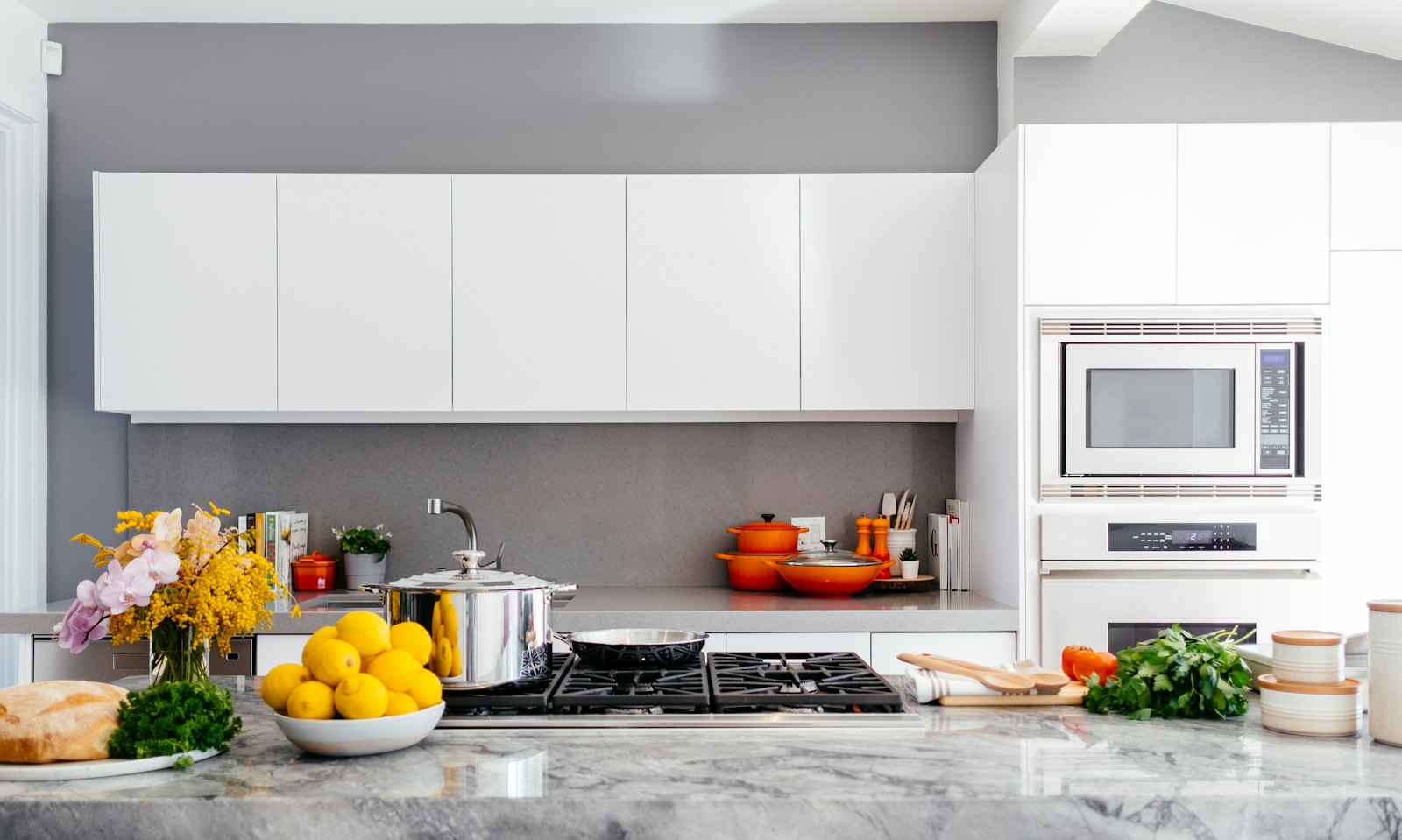
Galley kitchen layout optimized for a 9-foot-wide Philadelphia row house. Shallow-depth cabinets and wall-mounted storage maximize floor space.
Understanding Row House Kitchen Constraints
Before selecting cabinets or appliances, understand the structural limitations common to Philadelphia's historic housing stock:
Common Row House Limitations
- Width restrictions: Many Philly kitchens measure 8-9 feet wall-to-wall
- Structural walls: Load-bearing walls often prevent expansion into adjacent rooms
- Electrical capacity: 100-amp service common in pre-war buildings limits appliance choices
- Plumbing stacks: Cast iron drain lines fixed in exterior walls
- Window placement: Original windows often interrupt upper cabinet runs
Cabinet Strategies for Narrow Spaces
Shallow Depth Solutions
Standard base cabinets measure 24 inches deep, but in narrow galley kitchens, this leaves inadequate aisle space. We recommend 15-18 inch depth base cabinets for Philadelphia row houses:
- 18-inch wall cabinets: Instead of standard 12-inch, providing deeper storage for plates and servingware
- 15-inch base cabinets: Paired with 24-inch countertops creating an 8-9 inch overhang—perfect for bar seating in kitchens lacking dining space
- Custom pantry pull-outs: 6-inch deep floor-to-ceiling storage along dead walls
For a recent Fishtown renovation, we specified 15-inch base cabinets with waterfall quartz edges, creating a 30-inch aisle width—meeting code minimums while preserving functionality.

15-inch depth base cabinets with extended countertop create functional aisle space in an 8.5-foot-wide Queen Village kitchen.
Layout Options for Tri-State Small Kitchens
Galley (Corridor)
Two parallel runs with 36-42" aisle. Most common in Philly row houses.
Best for: Center City, Fitler Square, Passyunk Square
Single Wall
All cabinets/appliances on one wall. Requires compact appliance packages.
Best for: Studio condos in Rittenhouse, Jersey City
L-Shape with Peninsula
One wall turns 90° into peninsula. Creates seating without island space.
Best for: End-of-row houses with exterior wall access
Modified U-Shape
Three walls with reduced depth on one run. Maximum counter space.
Best for: 10+ foot width, Mt. Airy, Chestnut Hill
Visual Expansion Techniques
Color and Material Selection
In narrow kitchens, visual continuity creates perceived spaciousness:
Cabinet colors: White or light gray shaker cabinets reflect limited natural light common to north-facing row house kitchens. For south-facing units in Bella Vista or Queen Village, consider navy or forest green lower cabinets with white uppers—adding depth without closing in the space.
Countertops: Continuous quartz with minimal veining (Caesarstone Frosty Carrina or similar) eliminates visual breaks. Avoid busy granite patterns that fragment narrow surfaces.
Backsplash: Vertical subway tile (3x12 rather than 3x6) draws eyes upward, emphasizing ceiling height—often 9+ feet in pre-war Philly construction.
Appliance Integration
Standard 30-inch ranges dominate 48 inches of wall space—prohibitive in 8-foot kitchens. Consider:
- 24-inch apartment-size ranges: Available in pro-style configurations from Bertazzoni and Fisher & Paykel
- Induction cooktops: 24-30 inch widths with separate wall ovens stacked in tall cabinets
- Counter-depth refrigeration: 24-inch chassis rather than standard 30-inch
- Dishwasher drawers: 18-inch or single-drawer units for 2-person households
Storage Innovation
When square footage is limited, vertical and hidden storage becomes critical:
Toe-kick drawers: The 4-inch space beneath base cabinets—previously wasted—accommodates shallow drawers for baking sheets and serving platters. Essential for 24-inch-depth limitations.
Cabinet-to-ceiling: In 9-foot ceiling row houses, standard 30-inch uppers leave 18 inches of dead space. 42-inch cabinets or stacked cabinets (30+12) utilize this volume for seasonal items.
Magnetic knife strips and rail systems: Eliminating knife blocks and utensil crocks from limited counter space. We specify Hafele or IKEA rail systems painted to match cabinet interiors.

Floor-to-ceiling pantry cabinets with pull-out organizers maximize vertical space in a compact Jersey City kitchen.
Lighting for Narrow Spaces
Row house kitchens often suffer from limited natural light due to adjacent buildings. Layered lighting design prevents cave-like atmospheres:
Under-cabinet LED: 2700K tape lighting eliminates countertop shadows. Hardwired with dimmers for evening use.
Recessed cans: 4-inch slim-profile LEDs avoid bulkhead drops that reduce ceiling height perception.
Glass-front uppers: With interior cabinet lighting, create depth through reflection. Popular in Society Hill renovations where historic preservation requires maintaining original room proportions.
Budget Considerations for Small Kitchens
Contrary to intuition, small kitchens often cost more per square foot than large ones due to:
- Custom cabinetry: Stock cabinets rarely fit row house dimensions requiring filler strips or modifications
- Specialized appliances: 24-inch ranges and counter-depth refrigeration carry premiums
- Plumbing/electrical constraints: Historic building upgrades required by Philadelphia code
However, material costs decrease proportionally. A 50-square-foot row house kitchen using premium materials often costs $25,000-35,000—significantly less than suburban kitchen renovations requiring 100+ square feet of cabinetry and countertops.
Conclusion: Small but Mighty
Philadelphia row house kitchens—and their equivalents in Jersey condos or Bethesda apartments—demand thoughtful design, but reward with efficiency and charm. By embracing shallow-depth cabinetry, vertical storage, and integrated appliances, these compact spaces function as well as their suburban counterparts while maintaining the urban character that makes Center City living desirable.
The key lies in respecting original architectural constraints while maximizing every available cubic inch. For homeowners contemplating row house kitchen renovations, professional measurement and space planning prove essential—standard solutions rarely fit non-standard historic dimensions.
Already Have a Quote for Your Small Kitchen?
You've figured out the layout — now make sure you're getting the best price. Upload your existing cabinet quote from any competitor, and we'll match it or beat it. Same compact design, better value.
Upload Your Quote for Price Match →Small Kitchen Renovation Ideas: Maximizing Space in Philadelphia Row Houses
Space-saving cabinet and layout solutions for narrow Philly kitchens, Jersey condos, and compact Bethesda apartments
Philadelphia row houses present unique kitchen design challenges. With widths often limited to 8-10 feet and galley-style layouts dominating Center City, Queen Village, and Fishtown neighborhoods, maximizing every inch becomes essential. For homeowners in these historic properties—and similar compact spaces in Jersey City condos or Bethesda apartments—strategic cabinet selection and layout optimization can transform cramped cooking quarters into functional, beautiful kitchens.
At NEARME, we've renovated hundreds of narrow kitchens across the tri-state area. Here's how to make your small kitchen feel spacious without sacrificing the architectural character that makes Philadelphia row houses so desirable.
Galley kitchen layout optimized for a 9-foot-wide Philadelphia row house. Shallow-depth cabinets and wall-mounted storage maximize floor space.
Understanding Row House Kitchen Constraints
Before selecting cabinets or appliances, understand the structural limitations common to Philadelphia's historic housing stock:
Common Row House Limitations
- Width restrictions: Many Philly kitchens measure 8-9 feet wall-to-wall
- Structural walls: Load-bearing walls often prevent expansion into adjacent rooms
- Electrical capacity: 100-amp service common in pre-war buildings limits appliance choices
- Plumbing stacks: Cast iron drain lines fixed in exterior walls
- Window placement: Original windows often interrupt upper cabinet runs
Cabinet Strategies for Narrow Spaces
Shallow Depth Solutions
Standard base cabinets measure 24 inches deep, but in narrow galley kitchens, this leaves inadequate aisle space. We recommend 15-18 inch depth base cabinets for Philadelphia row houses:
- 18-inch wall cabinets: Instead of standard 12-inch, providing deeper storage for plates and servingware
- 15-inch base cabinets: Paired with 24-inch countertops creating an 8-9 inch overhang—perfect for bar seating in kitchens lacking dining space
- Custom pantry pull-outs: 6-inch deep floor-to-ceiling storage along dead walls
For a recent Fishtown renovation, we specified 15-inch base cabinets with waterfall quartz edges, creating a 30-inch aisle width—meeting code minimums while preserving functionality.
15-inch depth base cabinets with extended countertop create functional aisle space in an 8.5-foot-wide Queen Village kitchen.
Layout Options for Tri-State Small Kitchens
Galley (Corridor)
Two parallel runs with 36-42" aisle. Most common in Philly row houses.
Best for: Center City, Fitler Square, Passyunk Square
Single Wall
All cabinets/appliances on one wall. Requires compact appliance packages.
Best for: Studio condos in Rittenhouse, Jersey City
L-Shape with Peninsula
One wall turns 90° into peninsula. Creates seating without island space.
Best for: End-of-row houses with exterior wall access
Modified U-Shape
Three walls with reduced depth on one run. Maximum counter space.
Best for: 10+ foot width, Mt. Airy, Chestnut Hill
Visual Expansion Techniques
Color and Material Selection
In narrow kitchens, visual continuity creates perceived spaciousness:
Cabinet colors: White or light gray shaker cabinets reflect limited natural light common to north-facing row house kitchens. For south-facing units in Bella Vista or Queen Village, consider navy or forest green lower cabinets with white uppers—adding depth without closing in the space.
Countertops: Continuous quartz with minimal veining (Caesarstone Frosty Carrina or similar) eliminates visual breaks. Avoid busy granite patterns that fragment narrow surfaces.
Backsplash: Vertical subway tile (3x12 rather than 3x6) draws eyes upward, emphasizing ceiling height—often 9+ feet in pre-war Philly construction.
Appliance Integration
Standard 30-inch ranges dominate 48 inches of wall space—prohibitive in 8-foot kitchens. Consider:
- 24-inch apartment-size ranges: Available in pro-style configurations from Bertazzoni and Fisher & Paykel
- Induction cooktops: 24-30 inch widths with separate wall ovens stacked in tall cabinets
- Counter-depth refrigeration: 24-inch chassis rather than standard 30-inch
- Dishwasher drawers: 18-inch or single-drawer units for 2-person households
Storage Innovation
When square footage is limited, vertical and hidden storage becomes critical:
Toe-kick drawers: The 4-inch space beneath base cabinets—previously wasted—accommodates shallow drawers for baking sheets and serving platters. Essential for 24-inch-depth limitations.
Cabinet-to-ceiling: In 9-foot ceiling row houses, standard 30-inch uppers leave 18 inches of dead space. 42-inch cabinets or stacked cabinets (30+12) utilize this volume for seasonal items.
Magnetic knife strips and rail systems: Eliminating knife blocks and utensil crocks from limited counter space. We specify Hafele or IKEA rail systems painted to match cabinet interiors.
Floor-to-ceiling pantry cabinets with pull-out organizers maximize vertical space in a compact Jersey City kitchen.
Lighting for Narrow Spaces
Row house kitchens often suffer from limited natural light due to adjacent buildings. Layered lighting design prevents cave-like atmospheres:
Under-cabinet LED: 2700K tape lighting eliminates countertop shadows. Hardwired with dimmers for evening use.
Recessed cans: 4-inch slim-profile LEDs avoid bulkhead drops that reduce ceiling height perception.
Glass-front uppers: With interior cabinet lighting, create depth through reflection. Popular in Society Hill renovations where historic preservation requires maintaining original room proportions.
Budget Considerations for Small Kitchens
Contrary to intuition, small kitchens often cost more per square foot than large ones due to:
- Custom cabinetry: Stock cabinets rarely fit row house dimensions requiring filler strips or modifications
- Specialized appliances: 24-inch ranges and counter-depth refrigeration carry premiums
- Plumbing/electrical constraints: Historic building upgrades required by Philadelphia code
However, material costs decrease proportionally. A 50-square-foot row house kitchen using premium materials often costs $25,000-35,000—significantly less than suburban kitchen renovations requiring 100+ square feet of cabinetry and countertops.
Conclusion: Small but Mighty
Philadelphia row house kitchens—and their equivalents in Jersey condos or Bethesda apartments—demand thoughtful design, but reward with efficiency and charm. By embracing shallow-depth cabinetry, vertical storage, and integrated appliances, these compact spaces function as well as their suburban counterparts while maintaining the urban character that makes Center City living desirable.
The key lies in respecting original architectural constraints while maximizing every available cubic inch. For homeowners contemplating row house kitchen renovations, professional measurement and space planning prove essential—standard solutions rarely fit non-standard historic dimensions.
Already Have a Quote for Your Small Kitchen?
You've figured out the layout — now make sure you're getting the best price. Upload your existing cabinet quote from any competitor, and we'll match it or beat it. Same compact design, better value.
Upload Your Quote for Price Match →